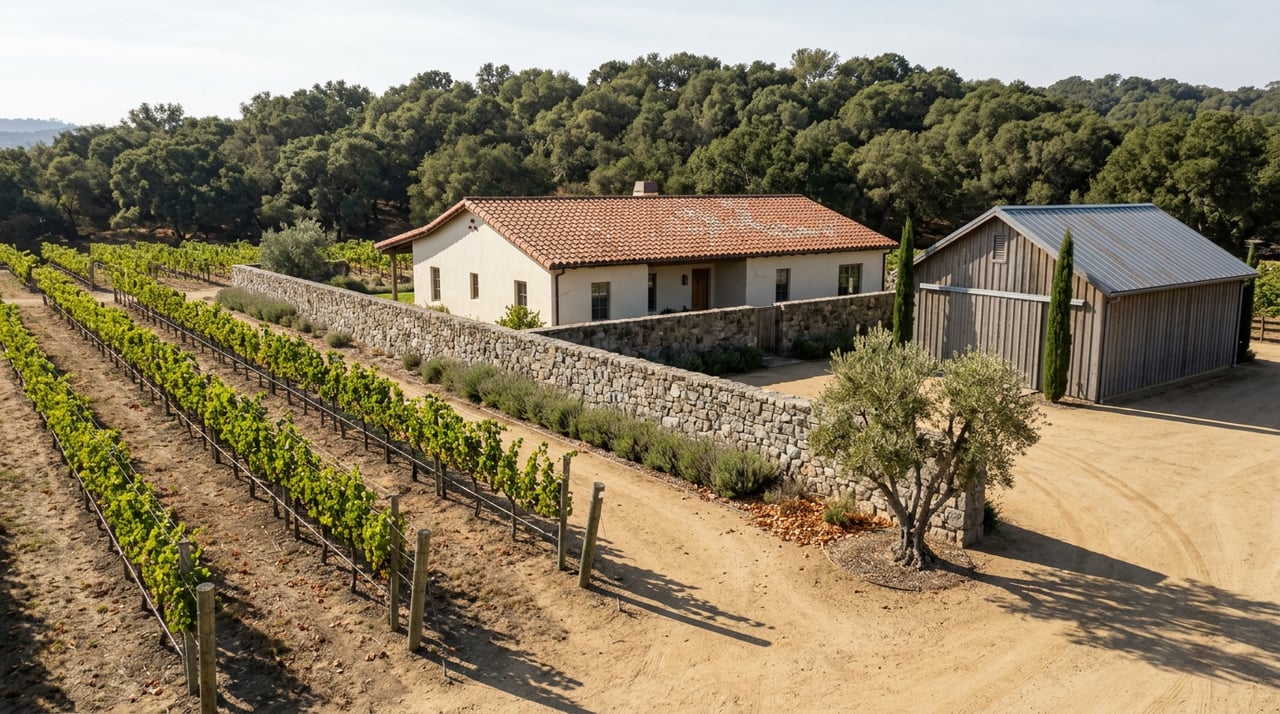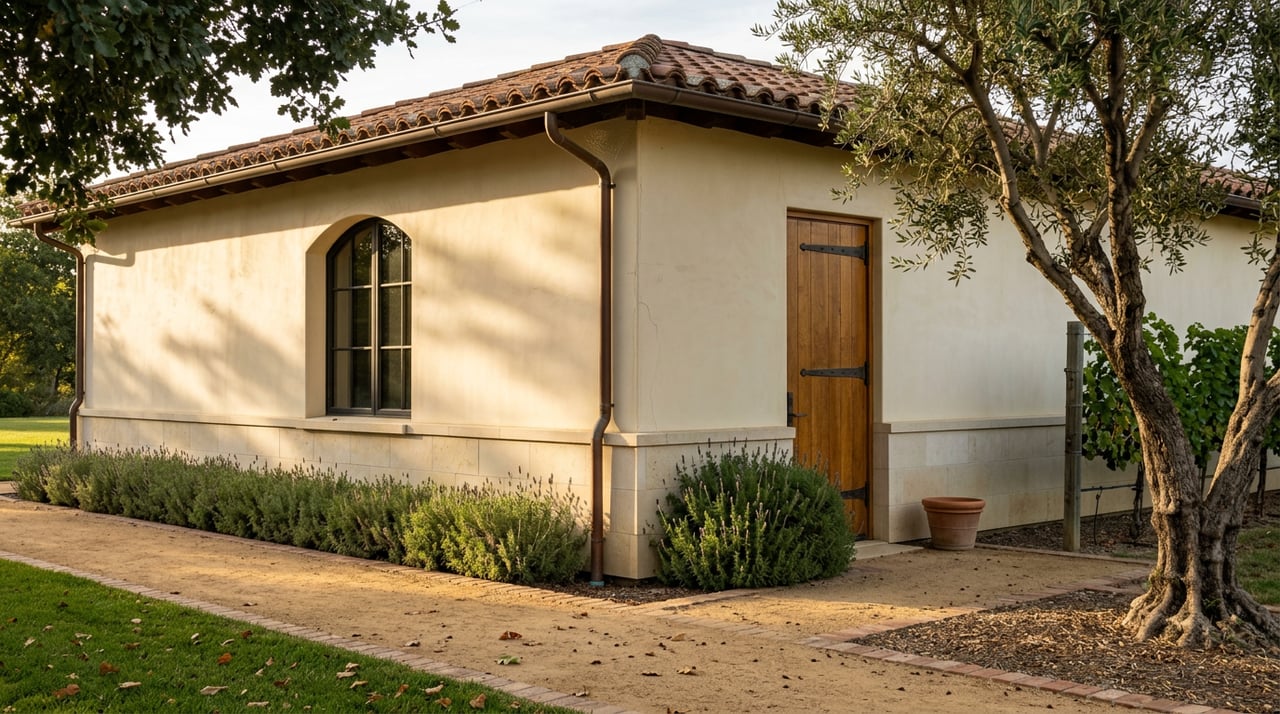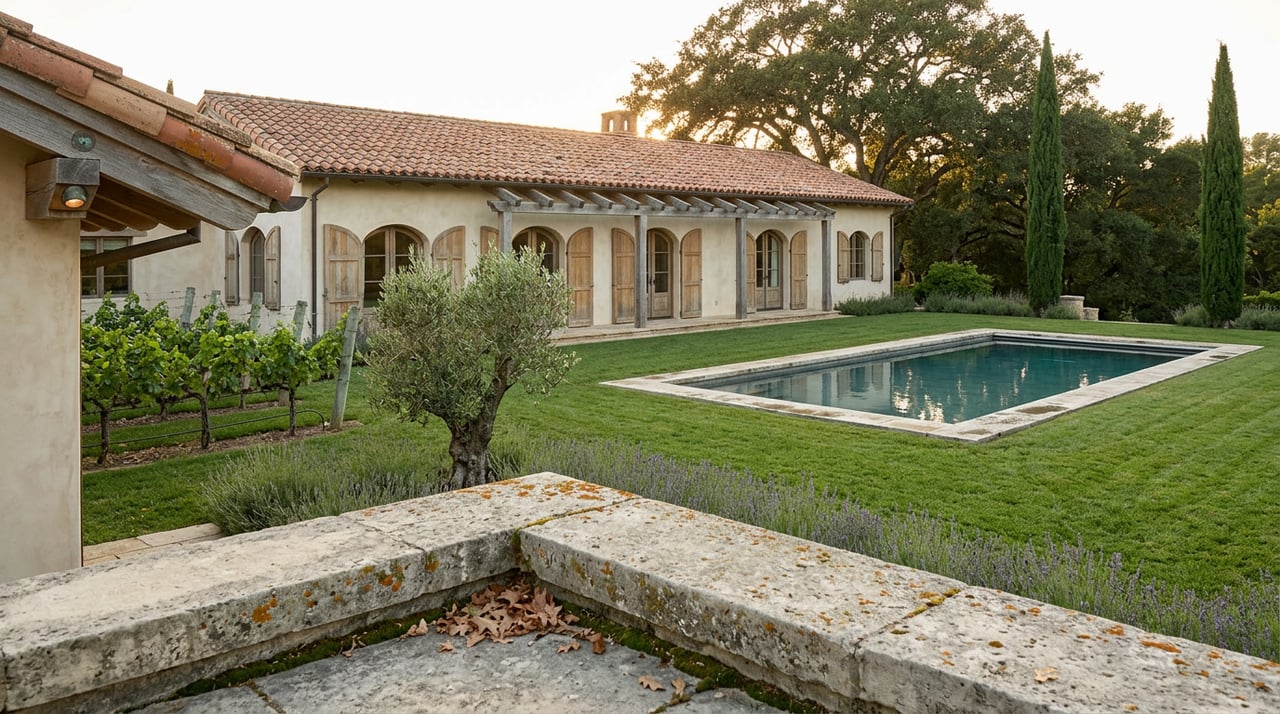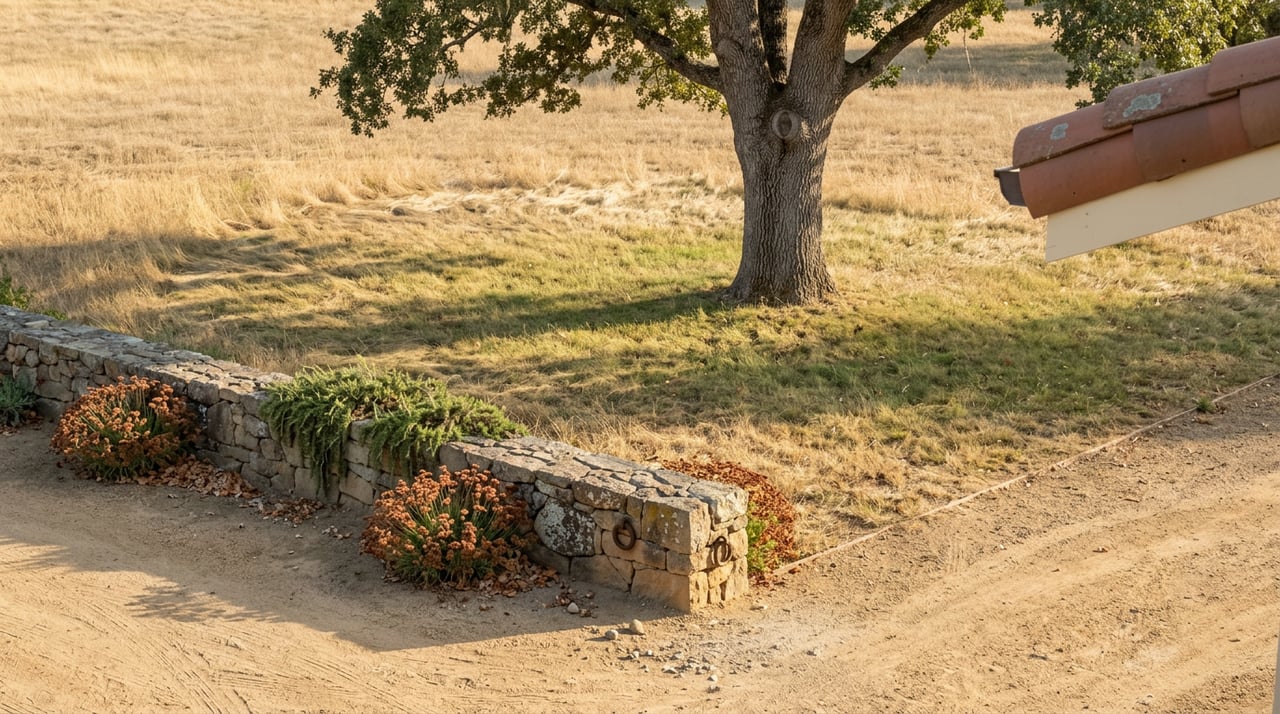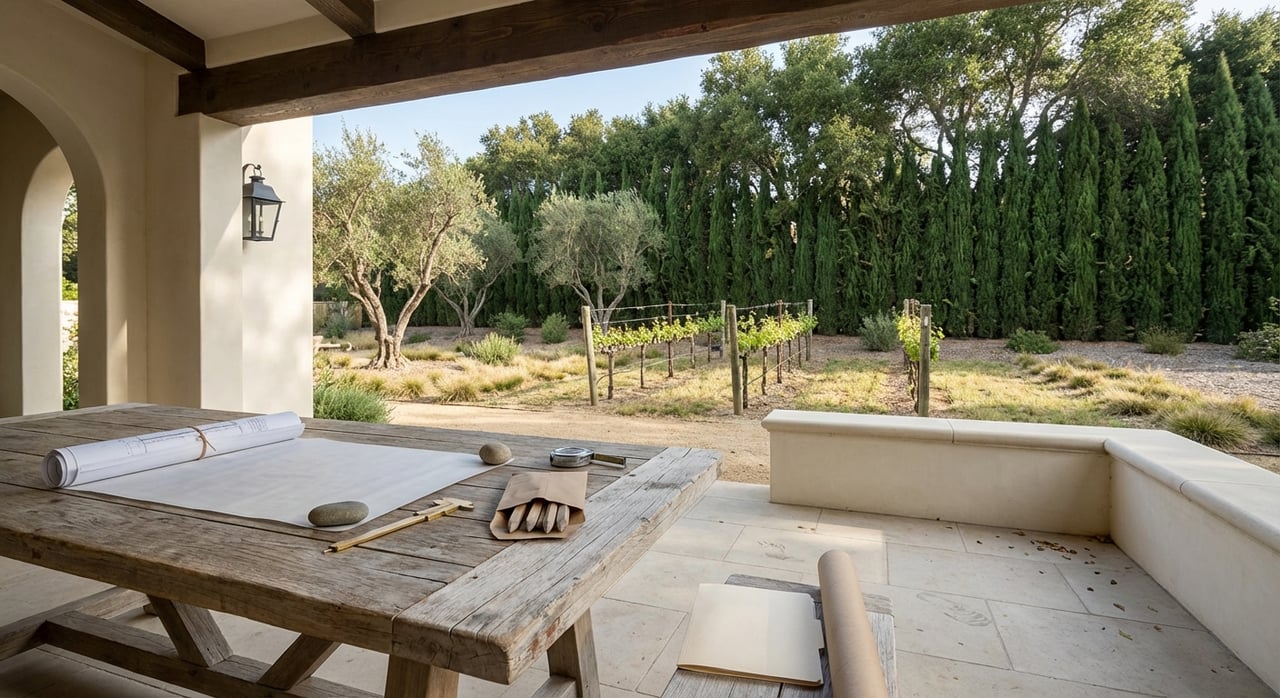
If you are drawn to Los Olivos and the wider Santa Ynez Valley, you are likely weighing two strong paths: buy a move‑in ready estate or purchase land and build the exact property you want. With typical 93441 home values hovering around the upper six to low seven figures and very limited inventory, the choice carries real tradeoffs in time, budget, and complexity. You want clarity on costs, permits, utilities, and wildfire considerations before you commit. This guide gives you a grounded, local framework to compare both paths and move forward with confidence. Let’s dive in.
Los Olivos market: what you’re choosing between
Los Olivos is a low‑inventory, high‑end micro‑market. The product mix ranges from village‑adjacent homes on smaller lots to vineyard, equestrian, and ranch parcels that can span dozens to hundreds of acres. Prices reflect the area’s premium status, and buyers often balance multi‑hundred‑thousand to multi‑million dollar decisions when comparing estates and land.
Many rural properties rely on private wells and onsite wastewater systems rather than municipal utilities. That single factor can shape budgets and schedules more than any finish level, because wells, septic systems, driveway improvements, and utility extensions are site specific. When you buy an existing estate, much of that infrastructure is already in place; when you build, you assume those feasibility, permitting, and construction tasks.
Option 1: Buy an existing estate
Buying an existing estate in or near Los Olivos is often the most direct path to enjoying the valley now.
Pros
- Immediate or near‑term occupancy.
- Known utility connections and permit history you can verify through county records.
- Established landscaping, trees, and often outbuildings or agricultural infrastructure.
- Easier to finance compared to construction lending.
Cons
- Limited ability to change orientation, topography, or mature trees.
- Potential for deferred maintenance or legacy code issues.
- Less customization than a ground‑up build.
If you take this path, leverage county resources early. Use Santa Barbara County’s “How Do I?” portal to locate parcel zoning, permit history, and recorded files before you make an offer. You can begin with the county’s online tools for zoning and permit lookups to understand what is allowed and what has already been approved on the property. Start here: Santa Barbara County How Do I?
Option 2: Build a custom home or ranch
Building gives you full control of design and systems, the ability to meet current energy and wildfire standards, and the freedom to optimize siting for views, solar, and agricultural program.
Pros
- Complete control over architecture, materials, and layout.
- Opportunity to design for performance, resilience, and defensible space.
- Ability to plan ADUs, barns, vineyards, and equestrian features from day one.
Cons
- Longer timeline with multiple approval stages.
- Higher soft costs and contingencies for unknowns.
- Parcel‑specific risks such as well yield, septic feasibility, slope stability, or environmental constraints.
Before you design, understand the county’s submittal expectations. Review Santa Barbara County’s Plan Submittal Requirements and the Plan Check Process so you know which studies, drawings, and agency reviews apply.
If your parcel lacks public utilities, expect to budget for a domestic well and an onsite wastewater treatment system. New wells and small private water systems require county permitting and testing. The county outlines standards for potable water wells here: Water Wells & Drinking Water. Septic permitting runs through Environmental Health under the county’s Local Agency Management Program. You will typically need a soils analysis or percolation test before a design can be approved. Start with the county’s Liquid Waste (Septic/OWTS) program and the Central Coast Water Board’s plain‑English OWTS FAQ to understand local thresholds.
Realistic timelines
From land purchase to move‑in, a true custom estate often takes years, not months. A fast track on an easy lot with a strong team can be about 18 months, while typical projects range closer to 24 to 36 months or more if discretionary review or environmental studies are required. Santa Barbara County details key permitting milestones in its Plan Check Process. For a national perspective on sequencing and duration, this construction overview helps frame expectations: How long and what it costs to build a house.
A common sequence looks like this:
Pre‑offer due diligence and county file review: 2 to 6 weeks.
Site investigations (perc tests, soils/geotech, topo survey, utility locates): 2 to 8+ weeks.
Design and engineering (architect, civil, structural, MEP, landscape): 3 to 9+ months.
Permitting and any environmental review: 1 to 12+ months depending on whether approvals are ministerial or discretionary.
Construction: 12 to 30+ months for high‑end custom work, site dependent.
Budget buckets that move the needle
Every parcel is unique, so treat these as planning ranges and always get local bids. Expect to carry a 15 to 25 percent contingency for custom, high‑end projects.
Site feasibility before closing. Topographic survey, exploratory soils, and perc testing can total roughly the low thousands to the low tens of thousands depending on scope. Perc tests commonly run in the hundreds to low thousands. See typical perc testing costs here: HomeAdvisor perc test ranges.
Domestic well. A turnkey residential well in California often ranges from the mid‑teens to $60,000+ depending on depth, geology, and pump equipment. Deeper foothill drilling can drive costs higher. Review the state‑level owner guide: California well guide.
Septic/OWTS. Simple conventional systems can be lower cost. Alternative treatment or constrained sites can reach $20,000 to $100,000+. Learn how local rules shape design using the Central Coast OWTS FAQ and county Liquid Waste pages.
Utility extensions. If electric or communications service must be extended, budget from several thousand to six figures depending on distance, trenching, transformers, and undergrounding. Utilities may charge a contribution for line extensions. See a utility policy example explaining extension charges: Line extension and CIAC basics.
Sitework, grading, driveway, and stormwater. Access improvements, earthwork, retaining walls, and erosion control can range widely based on slope and soil. Santa Barbara County outlines additional safety and sitework considerations here: Additional Building Safety Information.
Hard construction. For custom homes in California, a broad mid‑range to luxury band often runs roughly $300 to $900+ per square foot, with many high‑end Santa Barbara County builds starting around $400 to $700+ per square foot depending on complexity and finish level. Use this as a framing tool and verify with local builders: Cost to build a house overview and a custom‑home cost explainer: Luxury custom home costs in California.
Soft costs and fees. Architecture, engineering, energy modeling, landscape design, permitting and impact fees, surveys, and geotechnical work commonly add 10 to 20 percent or more on top of hard costs for custom projects. Architect fees alone may run around 8 to 15 percent of construction cost on high‑touch work. Check the county’s planning and building application hub for fee and submittal guidance: Planning and Building Permit Application.
Land feasibility checklist
Before you commit to a land purchase, follow this short list to de‑risk your decision:
Confirm zoning and permit history. Use the county’s online tools for zoning, past approvals, and any known violations: How Do I?
Pull county files. Request Environmental Health records for wells and septic, plus prior building permits: Liquid Waste (Septic/OWTS)
Order a topographic survey and soils scoping. Review the county’s Plan Submittal Requirements so your survey and soils scope align with expected submittals.
Commission perc testing and confirm water feasibility. If no public utilities exist, schedule perc tests and a groundwater check or well log search. See typical perc testing costs: HomeAdvisor perc test ranges.
Contact utilities for extension quotes. Ask electric and communications providers for written line‑extension assumptions and costs. For how extension charges work, review this policy example: Line extension and CIAC basics.
Book a county pre‑application meeting. Use the county’s Planning Permit Process Flow Chart to identify possible discretionary triggers or environmental studies.
Get preliminary builder pricing. Ask a trusted local GC for sitework allowances and per‑square‑foot ranges to set a realistic contingency. For a framing baseline, this national overview is helpful: Cost to build a house.
Wildfire and insurance planning
Parts of Santa Barbara County fall within High or Very High Fire Hazard Severity Zones. CalFire’s 2025 map updates expanded and reclassified some areas, which can add design conditions like defensible space, access standards, water storage for fire protection, and residential sprinklers in some cases. It can also affect insurance availability and pricing. See recent coverage of the statewide updates here: CalFire wildfire risk maps update.
Practical steps:
- Check a parcel’s current fire hazard classification early.
- Ask county fire officials about water supply, access, and defensible space requirements at permit intake.
- Request an early insurance market review so coverage does not become a surprise near closing.
Build vs buy: which path fits you?
Consider buying an existing estate if you:
- Want to enjoy the property within weeks or months.
- Prefer known utility connections and established landscaping.
- Value simpler financing and lower schedule risk.
Consider building a custom property if you:
- Have flexible move‑in timing and want complete design control.
- Are comfortable budgeting for wells, septic, sitework, and contingencies.
- Want to tailor the property to a specific program like vineyards, barns, or an ADU.
A balanced path for many buyers is to focus on well‑located estates with expansion potential. You can phase improvements, add outbuildings, or rework interiors over time while enjoying the property today.
Work with a local specialist
If you are deciding between buying or building in Los Olivos, you deserve a partner who understands rural utilities, zoning, vineyards, and equestrian infrastructure as well as luxury estate marketing. As a boutique, partner‑led brokerage based in the Santa Ynez Valley, we bring local authority and quiet, concierge‑level service to complex lifestyle properties. We will help you source suitable parcels or existing estates, coordinate targeted feasibility, and connect you with trusted designers, engineers, and builders.
When you are ready, contact Central Coast Landmark Properties , Inc. to discuss your goals and the best path forward. Request a private consultation and market assessment.
FAQs
How long does building near Los Olivos usually take?
- From land closing to move‑in, plan on 18 to 36+ months depending on site complexity, design scope, and whether discretionary review is required. See the county’s Plan Check Process for key steps and this national overview of building stages: Cost to build a house.
Is building cheaper than buying an existing estate in 93441?
- Not usually when you include land, sitework, soft costs, and contingencies; building delivers customization but often costs more in time and total cash outlay. For context on construction cost drivers, review this overview: What it costs to build a house.
What are the biggest hidden costs when building in the Santa Ynez Valley?
- Line‑extension and transformer fees, deep or complex well drilling and treatment, alternative septic systems on constrained soils, slope‑driven grading and retaining walls, and wildfire‑related water and access improvements. See a utility policy explainer on extension charges: Line extension and CIAC basics.
Who should I contact at the county before I buy land to build?
- Start with Santa Barbara County Planning & Development for permit and zoning guidance, Environmental Health for wells and septic, and Public Works for driveways and encroachments. Use the county’s application hub to navigate next steps: Planning and Building Permit Application.
How do wildfire maps affect design and insurance near Los Olivos?
- Parcels in High or Very High Fire Hazard zones often face added design conditions like defensible space and access standards and can be harder to insure. Review the statewide update overview here: CalFire wildfire risk maps update.