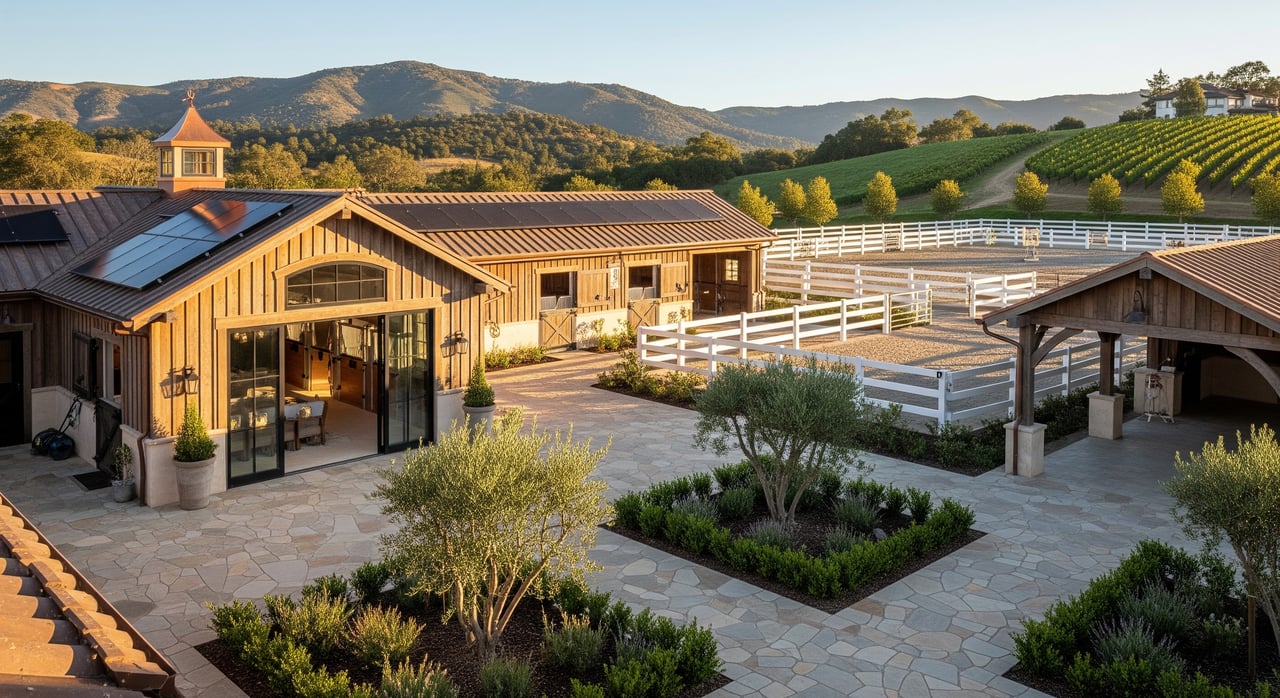
Thinking about upgrading your Santa Ynez horse property before you sell? You are wise to focus on what equestrian buyers actually use every day. In this market, practical improvements that support horses, handlers, and safe operations carry the most weight at offer time.
In this guide, you will learn which arena, barn, paddock, fencing, access, and utility upgrades typically add value in Santa Barbara County, plus the local permitting and fire-safety factors to consider. You will also find a simple plan to prioritize projects and the documentation buyers want to see. Let’s dive in.
What equestrian buyers value most
Santa Ynez equestrian buyers look for properties that are functional on day one. The most influential factors include:
- Move-in-ready barns with safe stalls, a clean layout, and adequate ventilation
- Reliable water, appropriate septic capacity, and documented compliance
- Safe fencing and well-planned paddocks and gates
- Trailer-friendly access and parking that works for large rigs
- Fire readiness and defensible space around barns and hay storage
- Logical flow between barn, turnout, and arena, with on-site riding paths when possible
When you deliver these basics and document the details, you reduce buyer risk and increase appeal.
Arena upgrades that pay off
Footing and drainage essentials
A predictable, low-dust surface with solid drainage is a top priority. Start with a compacted crushed rock sub-base and a geotextile layer to keep footing from migrating. Build a durable base with perimeter drainage, and crown the surface slightly to shed water. Top-dress with materials suited to our climate and your uses, whether clean sand, sand-fiber mixes, or other engineered blends. Plan for dust suppression through irrigation or additives, especially for dry seasons.
Size, orientation, and lighting
For reference, dressage buyers recognize 20 x 40 meter and 20 x 60 meter arenas. Many riders consider about 60 x 120 feet workable for schooling and general use. Orient the long axis to reduce glare and wind-driven dust. Add well-placed lights for evening riding so the arena is functional year-round.
Maintenance and documentation
Riders expect regular dragging or harrowing, occasional top-dress additions, and dust control. Keep a maintenance log and recent invoices for footing work. A short one-page summary with base composition, drainage details, irrigation specs, and service dates builds buyer confidence.
Barn layout that works every day
Stall sizing and safety
Most buyers expect 12 x 12 foot box stalls, with 12 x 14 or 14 x 14 foot options for larger horses or breeding needs. Safe, well-lit aisleways and consistent ventilation reduce risks and improve daily chores. Clean, dry bedding and good airflow help show the barn is well managed.
Tack, feed, and wash spaces
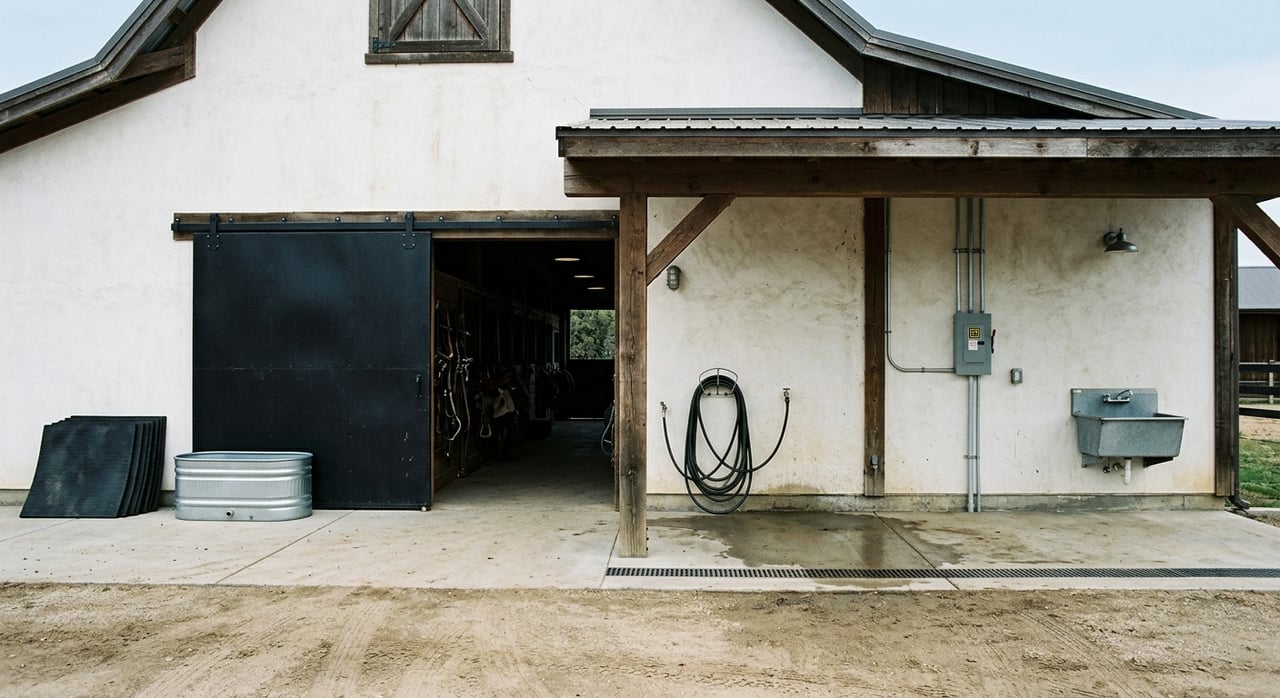
Create a separate, ventilated tack room and a dedicated feed room with lockable storage. A wash bay with hot and cold water, non-slip flooring, and secure drainage is a high-value feature. If you store hay, keep it properly ventilated and separated from stalls and equipment for fire safety.
Systems and lighting
Buyers appreciate reliable electrical systems, interior and exterior lighting, and integrated fly control. Organize utility panels and label switches. Simple, functional touches make a daily difference and communicate care.
Fire readiness
In a wildfire-prone region, barns that show clear egress, accessible fire extinguishers, and defensible space signal preparedness. Use fire-conscious materials where possible and confirm access for emergency services. Buyers will ask about your fire-safety measures.
Turnout, paddocks, and pasture
Design for rotation and mud control
Turnout areas should provide shade, shelter, and reliable water access. Rotational paddocks protect pasture health and reduce overgrazing. Add sacrifice areas or hardstand pads to manage mud and preserve footing near gates and waterers.
Manure management buyers expect
Plan for a contained manure pad on an impermeable or compacted base, set downhill of any well and away from creeks. Routine removal or managed composting helps control odor and runoff. A simple, written manure plan can set your property apart.
Fencing and gates that reassure
Visible, sturdy fencing is a top priority. Many buyers prefer 3 to 4-rail post-and-rail, vinyl-coated rail, or pipe rail for general horse use. Avoid barbed wire for riding horses. Keep heights in the commonly expected 4.5 to 5 foot range and confirm gates are wide enough for trailers. Clear sightlines and easy-to-use latches add a sense of safety.
Trailer access and circulation
Driveway geometry and surfaces
Trailers need stable surfaces and manageable grades. Widen pinch points and improve surfaces with compacted rock or paving where feasible. If your driveway connects to a county road, keep sightlines clear for safer ingress and egress.
Dedicated rig parking
Create a level hardstand near the barn for hitching and unhitching. Provide an area where large rigs can turn without repeated backing. Separating trailer and guest parking helps day-to-day operations.
Utilities, water, and drainage
Water supply documentation
Reliable water is essential for domestic needs, horses, arena irrigation, and fire sprinklers where installed. Gather well logs, pump capacity, storage tank volumes, and recent test results if you have them. Buyers look for clear documentation and resilience during drought years.
Septic and washwater considerations
Make sure your septic system is sized for current occupancy and any permitted accessory uses. Barn wash bays and wastewater are subject to local health and environmental review. If you have updated or expanded, keep permit records and service reports available.
Stormwater management
Buyers will look for clear drainage paths that protect arenas, paddocks, and manure areas from runoff and erosion. Simple measures that prevent standing water and sediment movement add real value.
Landscaping and wildfire defensible space
Use drought-tolerant, low-flammability species near structures and maintain defensible space around barns and hay storage. Provide thoughtful shade in turnout areas without undermining fence lines or drainage patterns. Protect native oaks and consult before altering riparian areas to avoid compliance issues later.
Santa Ynez permitting and environmental factors
County planning and permits
Many barn and arena projects require review by Santa Barbara County Planning and Development, especially if they include utilities, plumbing, or large structures. Agricultural buildings sometimes follow a different path, but do not assume an exemption. Verify requirements before you build.
Wells and water use
Well drilling, testing, and use may need permits or reporting. Buyers respond well to a consistent water story, including well performance, storage, and any connections to private or municipal systems.
Wastewater, manure, and runoff
Discharges from manure storage or washwater can trigger rules from environmental health and regional water quality agencies. An impermeable manure pad with runoff control is a best practice that reduces risk and improves showability.
Protected trees and waterways
Projects near streams or native oak trees can require permits, mitigation, or replacement planting. If your property includes a creek or wetland, plan for added review before altering those areas.
Fire requirements
Local fire authorities and CAL FIRE provide defensible space guidelines and construction standards for high-risk zones. Buyers expect to see visible fuel reduction and a plan to maintain it.
How to prioritize for ROI
Focus first on safety and compliance. Repair fencing and gates, address drainage that affects arenas or paddocks, and establish defensible space. Next, improve daily-use features that save time and reduce labor, such as wash bays, lighting, and trailer staging. Finally, enhance buyer confidence with documentation. Cosmetic projects help first impressions, but functional horse infrastructure carries greater weight in this segment.
Pre-listing documentation checklist
Gather the following before you go to market:
- Arena details: base composition, drainage plan, irrigation specs, maintenance log, and recent invoices
- Barn data: stall sizes, ventilation strategy, electrical updates, wash bay specs, and safety features
- Permits and approvals for barns, arenas, wells, septic, and any expansions
- Well tests, pump capacity, storage tank details, and service records
- Septic capacity, service reports, and any change-of-use approvals
- Manure management plan and recent cleanout or composting documentation
- Fire readiness evidence: defensible space work, extinguishers, and access notes
- Notes on protected trees, streams, and any related environmental clearances
Next steps for Santa Ynez owners
Before you start work, request guidance from county planning, environmental health, and your local fire authority. Map your priorities with a quick site walk: fencing and gates, drainage, arena condition, barn systems, and trailer access. Obtain multiple bids for larger projects and keep all invoices. Finally, compile a clean disclosure packet. A clear, proactive approach can speed diligence and support your asking price.
If you want a confidential review of your equestrian estate and a tailored plan for upgrades and marketing, connect with our team. We combine local technical knowledge with premium presentation to help you position your property for the right buyers.
Ready to talk through your goals? Contact Central Coast Landmark Properties , Inc. for a private consultation.
FAQs
What arena upgrades add the most value in Santa Ynez?
- A well-drained base with geotextile, low-dust footing, reliable irrigation, and quality lighting, backed by maintenance records.
How large should my riding arena be for resale?
- Many buyers recognize 20 x 40 m and 20 x 60 m dressage sizes, while about 60 x 120 ft works for general schooling in this market.
What barn features do buyers expect in Santa Barbara County?
- Clean 12 x 12 ft stalls, separate tack and feed rooms, a hot-cold wash bay with safe drainage, good ventilation, and safe electrical and lighting.
What fencing and gate standards reassure horse buyers?
- Visible, sturdy rails (wood, vinyl-coated, or pipe) at about 4.5 to 5 ft high, with wide, trailer-friendly gates and horse-safe latches.
How important is trailer access for resale?
- Very; buyers look for stable surfaces, gentle grades, turnarounds for large rigs, and dedicated parking near the barn.
What documentation should I prepare before listing my equestrian property?
- Permits, well tests, septic details, arena build specs, footing service invoices, manure plan, and fire defensible space notes will help buyers decide.