Buying in San Luis Obispo is exciting, but it is not quite like buying in other California markets. University rhythms, coastal rules, and rural nuances can change your timing, offer strategy, and due diligence. If you want a smooth purchase, you need a local-first plan that anticipates these details before you write an offer. This guide gives you a clear, step-by-step path tailored to SLO City and SLO County. Let’s dive in.
How the SLO market moves
San Luis Obispo follows a broad seasonal rhythm. Spring and early summer usually bring the most new listings and the most showings, which gives you more choice and more visible price competition among sellers. That said, the Cal Poly student cycle adds a second pattern. According to the Cal Poly academic calendar, late summer aligns with student move-ins, which can reduce owner-occupied supply near campus and increase investor interest in multi-bedroom homes.
Inventory is often tight countywide compared with some inland markets. Limited developable land, coastal desirability, and quality-of-life factors can keep months of supply low. In popular segments, you may see multiple offers, escalation clauses, and shortened contingency timelines. Check the San Luis Obispo County Association of Realtors monthly market reports for current trends by area and property type.
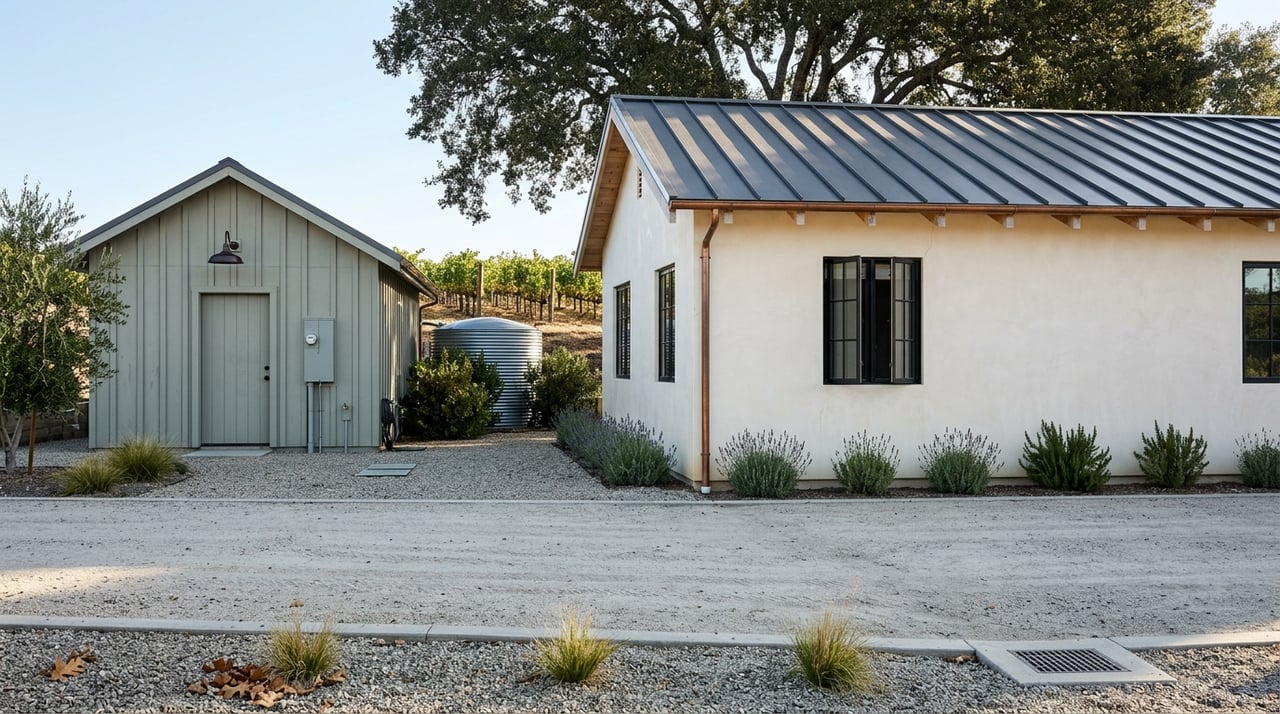
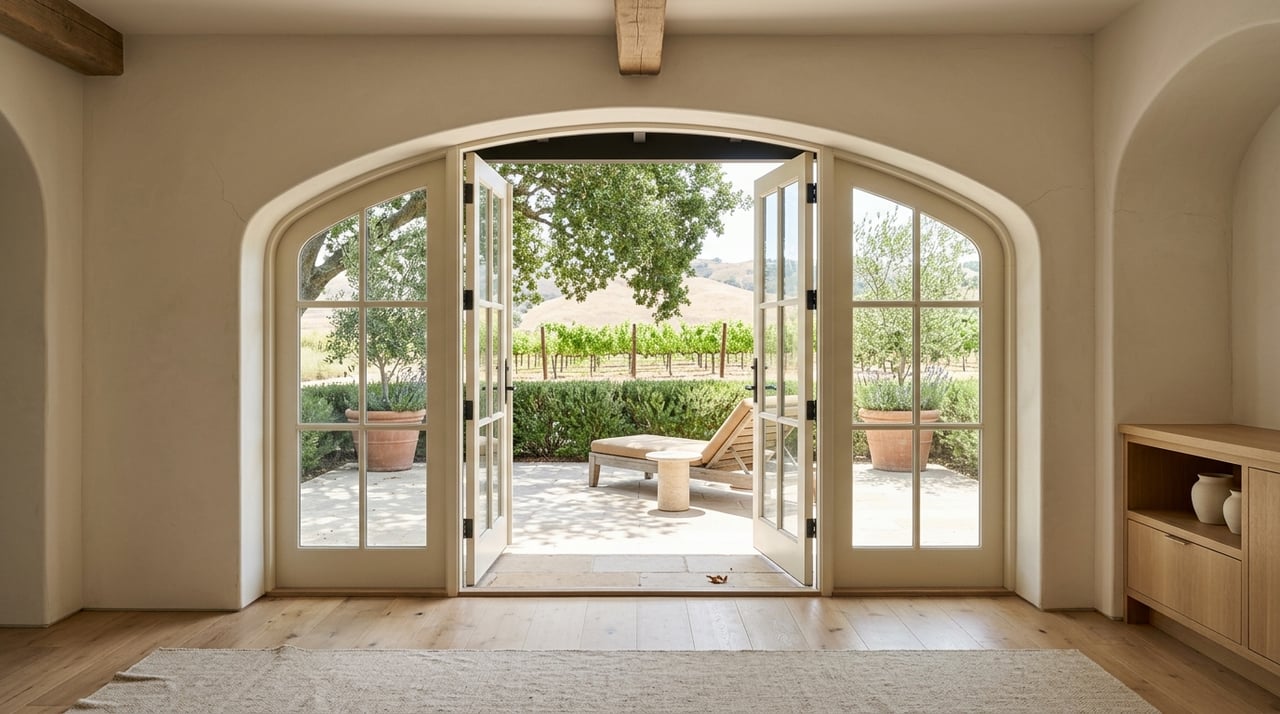
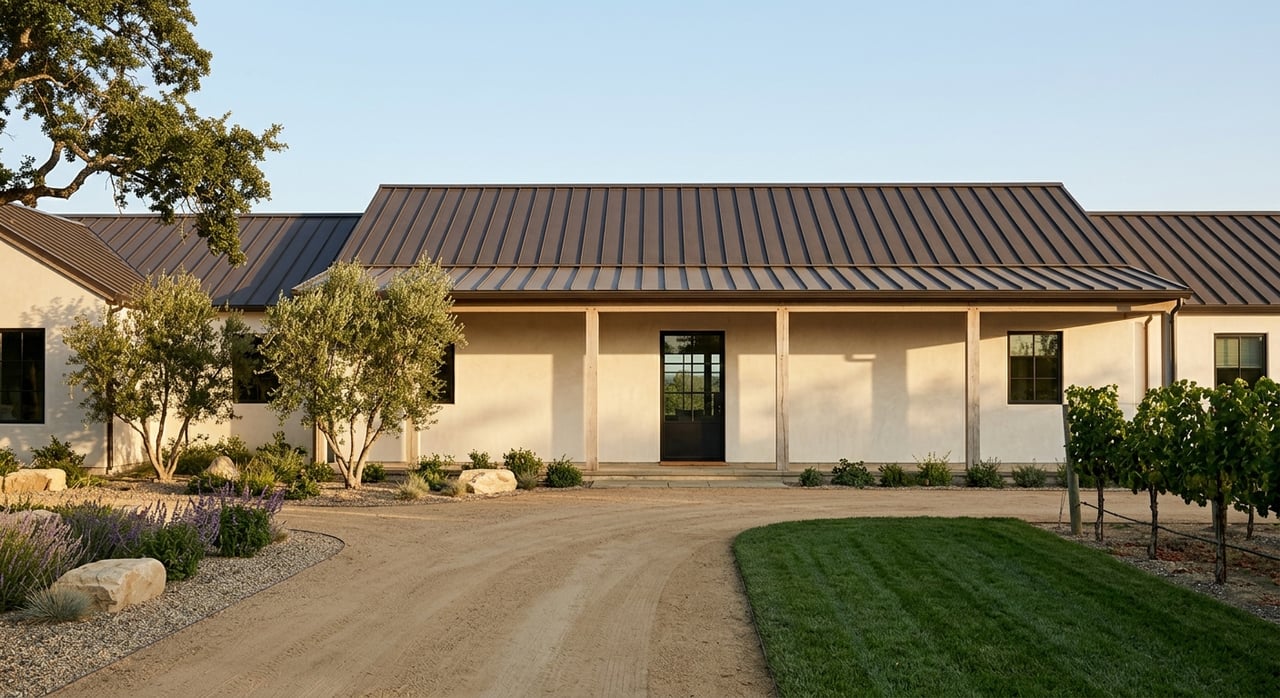
You will also find distinct micro-markets. Near-campus neighborhoods often see strong rental demand. Coastal pockets like Pismo Beach, Avila Beach, and Morro Bay are highly sensitive to location and coastal-zone rules. Edna Valley and other rural areas offer vineyard and agrarian lifestyles with septic, well, and zoning considerations. Paso Robles and Atascadero often offer more land per dollar, balanced against commute and lifestyle tradeoffs.
Step-by-step: Your SLO buying roadmap
Below is a simple path that reflects how buyers actually succeed in SLO County.
Phase 1: Prepare (2–8+ weeks)
Get mortgage-ready. Secure a full pre-approval, not just a pre-qualification. In competitive segments, sellers expect a strong pre-approval or proof of funds. Confirm whether your price point is conforming or jumbo, and discuss rate-lock options and underwriting timelines with a local lender.
Complete your financial checklist. Verify cash for down payment, closing costs, and a competitive earnest-money deposit. Budget for homeowners insurance. Wildfire exposure can affect availability and price, and earthquake insurance is a separate policy that you can explore through the California Earthquake Authority.
Make a shortlist of target areas. Define must-haves by distance to campus or work, coastal access, lot size, and amenities. Keep school references neutral by focusing on commute and services rather than perceived quality. For rural or Edna Valley targets, line up a septic and well specialist. For older homes, consider a structural engineer. If you are eyeing acreage with vines, plan for a vineyard consultant.
Research programs and zoning early. Explore state-backed options through CalHFA and look into City/County offerings on the City of San Luis Obispo’s website and SLO County Planning & Building. Ask whether a property is in the coastal zone, a high fire severity area, a floodplain, or under the Williamson Act.
Phase 2: Search & offer (timing varies)
Build a local search strategy. Track days on market, list-to-sale patterns, and price behavior in your target neighborhoods. If you are considering a home near Cal Poly, review tenancy history and rent rolls if the property has been used as a rental.
Craft a winning offer. Lead with a strong pre-approval or proof of funds and a clear closing timeline. Inspection contingencies are standard, but sellers often prefer shorter inspection periods over waived inspections. Appraisal and financing contingencies are negotiable; waiving them increases your risk. Larger earnest money deposits and well-structured escalation clauses can help in tight competitions.
Use terms to set your offer apart. Seller rent-backs, flexible possession, or targeted closing-cost coverage can make a difference. Cash offers remain powerful for ocean-close cottages, turnkey single-family homes, and some attendance-area-focused purchases.
Time your move around the academic calendar. If you want to live near campus, you may find stronger investor activity and fewer owner-occupied options in late summer. Consider aiming for spring or late fall if you prefer less competition for those homes.
Phase 3: Close & post-close (30–60 days typical)
Move fast on inspections. Order a general home inspection and a termite/pest inspection. For rural and Edna Valley properties, add septic and well inspections, and request pumping and test records. For properties with vines, commission a vineyard assessment to review irrigation, plant health, and production history.
Focus on title and escrow. Work with a local title/escrow company to confirm title insurance, lien searches, and any special assessments or bonds. Use the SLO County Assessor to understand parcel-specific tax details and local levies.
Complete local disclosures. In California, sellers must provide the Transfer Disclosure Statement, Natural Hazard Disclosure, and lead-based paint disclosures for older homes. Verify permit history with City or County Planning. For coastal or bluff-top homes, ask about local coastal permits and any geotechnical reports.
Plan smart post-close steps. If your area is wildfire-prone, implement defensible space right away. For homes with septic systems, schedule regular maintenance based on local health standards.
Costs to expect in SLO
Property taxes follow Proposition 13. The base rate is roughly 1 percent of assessed value, plus local voter-approved assessments. The assessed value typically resets to market value at sale. Parcel-level detail is available through the SLO County Assessor.
HOA dues vary by neighborhood. Newer planned communities and some coastal developments may have monthly dues that cover amenities or exterior items. Rural and older areas often have no HOA. Confirm what dues include and how reserves are managed.
Insurance needs are location-specific. Wildfire exposure can affect coverage and cost. Flood insurance is separate and required for federally backed loans in mapped flood zones; you can check a property’s status through the FEMA Flood Map Service Center. Earthquake insurance is optional and available via the California Earthquake Authority.
Loan products depend on price tier and timing. Many buyers in SLO use jumbo loans, while others use VA or FHA financing within local limits. Work with a local lender to confirm caps, timelines, and appraisal expectations.
Assistance programs change over time. The City and County periodically offer down-payment or inclusionary programs. State programs through CalHFA can support eligible buyers. Review current details with City/County housing staff.
Due diligence that is unique to SLO County
Wildfire risk and defensible space. Many areas are mapped in moderate to very high fire-severity zones. Review CAL FIRE guidance and maps through CAL FIRE, and ask sellers about mitigation and maintenance history. Consider access, evacuation routes, and insurer requirements.
Earthquake risk. SLO is in a seismically active region. Request a structural review on older homes to evaluate foundations, chimneys, and retrofit history. Explore earthquake coverage and retrofit resources through the California Earthquake Authority.
Coastal zone and permitting. Properties in the California Coastal Zone face additional permit layers for development and some uses. Review local coastal policies and consult the City of San Luis Obispo or SLO County Planning & Building for maps, permits, and renovation questions.
Rural and Edna Valley specifics. Expect agrarian activity, seasonal equipment movement, and tasting-room traffic. Many parcels rely on septic systems and private wells; verify capacity and compliance with County Health standards. If a parcel is under the Williamson Act, understand how it limits development. If vines are present, request rootstock, planting dates, irrigation details, pest history, and production records.
Flood and coastal erosion. Some creekside and coastal properties lie in FEMA flood zones or areas of coastal-bluff erosion. Ask for any geotechnical reports and discuss setbacks and permitting with City or County Planning. Confirm flood insurance needs using the FEMA Flood Map Service Center.
Short-term rentals. SLO City and several coastal communities regulate short-term rentals. Review current rules, registration needs, and local taxes via the City of San Luis Obispo’s website and County resources.
Environmental nuisances and lifestyle fit. Visit target neighborhoods at different times, including weekends and evenings. Look for farm-related odors, nighttime agricultural work, highway noise, and tourism traffic near wine and coastal attractions.
Where to get current data
- Market statistics: See the San Luis Obispo County Association of Realtors for monthly reports and MLS trends.
- University calendar: Check Cal Poly’s academic calendar for move-in and quarter timing.
- Land use and permits: Visit the City of San Luis Obispo and SLO County Planning & Building for zoning, coastal, and permit records.
- Hazard maps: Review wildfire mapping via CAL FIRE and flood zones via FEMA’s Flood Map Service Center.
- Assistance programs: Explore state options at CalHFA and check City/County housing divisions for local programs.
Your SLO buyer checklist
- Clarify your goal: owner-occupied, rental, or hybrid use.
- Align timing with the market and Cal Poly’s calendar if shopping near campus.
- Secure full lender pre-approval and confirm conforming or jumbo.
- Budget for insurance types: homeowners, flood if required, and optional earthquake.
- Shortlist neighborhoods by commute, coastal access, and lot type.
- Line up inspectors: general, termite, roof, structural; add septic/well and vineyard specialist if rural.
- Verify zones: coastal zone, high fire area, floodplain, or Williamson Act.
- Track local stats and new listings; study days on market and price behavior.
- Structure a competitive offer: strong deposit, clear timelines, sensible contingencies, and flexible terms.
- Complete disclosures, title review, and hazard assessments; plan post-close maintenance.
Buying in SLO rewards preparation. When you pair timing savvy with local due diligence, you can compete with confidence and enjoy the lifestyle that brought you to the Central Coast in the first place.
If you would like a private, strategy-first plan tailored to your goals, request a consultation with Central Coast Landmark Properties , Inc.. Our team brings local expertise in coastal, rural, and vineyard properties with discreet, concierge-level representation.
FAQs
How should first-time buyers in San Luis Obispo time their search?
- Aim for spring or early summer for the most choice, and avoid late summer near Cal Poly if you want fewer investor competitors.
What offer terms help win competitive homes in SLO County?
- A strong pre-approval, meaningful earnest money, clear timelines, and flexible possession or rent-back can set your offer apart without adding unnecessary risk.
What inspections are essential for rural or Edna Valley properties?
- In addition to a general and termite inspection, add septic and well evaluations, and consider a vineyard specialist if vines or irrigation systems are present.
How do wildfire and flood risks affect SLO home purchases?
- They can impact insurance and due diligence. Review CAL FIRE maps for fire severity and use FEMA’s Flood Map Service Center for flood zones before you commit.
Where can I find current San Luis Obispo housing statistics?
- Review monthly reports from the San Luis Obispo County Association of Realtors and track neighborhood trends with local MLS data.
What down-payment assistance exists for SLO buyers?
- Programs change. Start with CalHFA for statewide options and check City/County housing divisions for local offerings and eligibility.