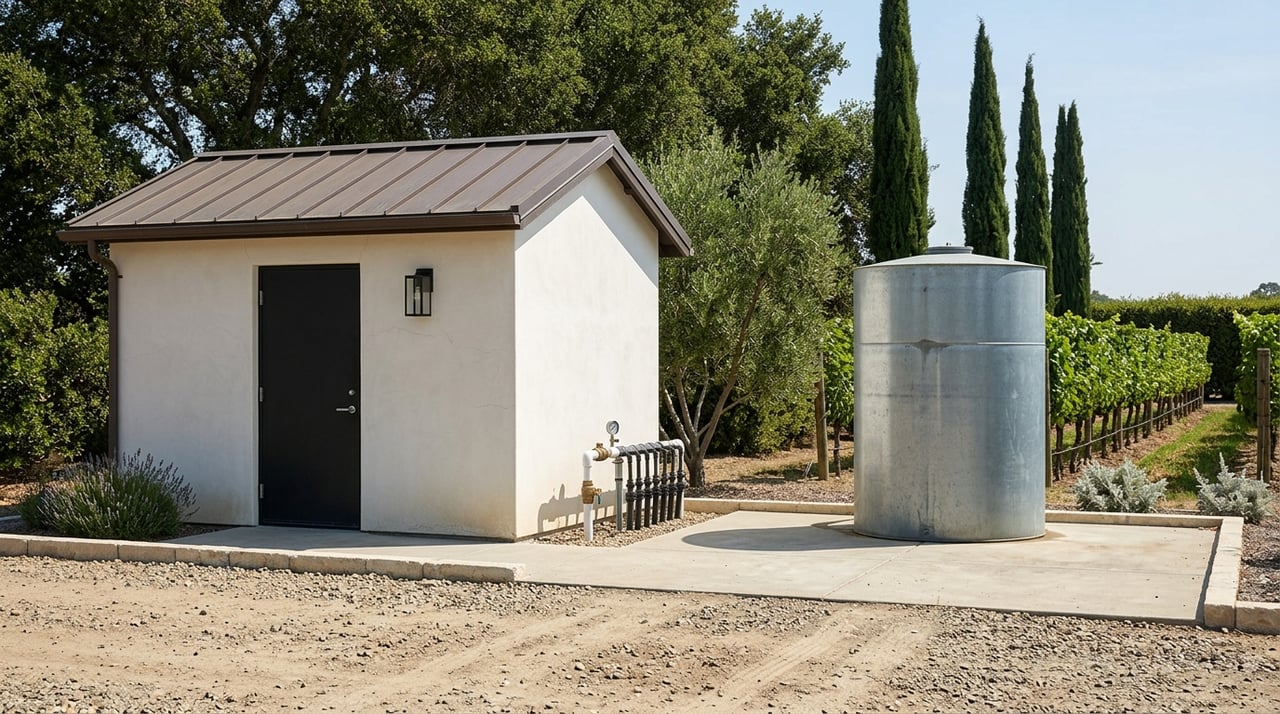
If you are looking at a ranch purchase in Santa Ynez, the most important value drivers may not be the views, the acreage, or even the improvements. In this market, water source, zoning, and recorded land restrictions often shape what you can actually do with the property after closing. If you want to buy with confidence, you need to understand how these pieces fit together before you remove contingencies. Let’s dive in.
Why Santa Ynez ranch diligence is different
Santa Ynez sits within the broader Santa Ynez Valley rural planning area, which includes Santa Ynez, Ballard, Los Olivos, and surrounding agricultural land. Santa Barbara County describes the area as having a scenic pastoral character and a strong agricultural tradition. That local context matters because land use here is closely tied to agriculture, open space, and long-term stewardship.
For you as a buyer, that means a ranch should be reviewed as more than a lifestyle purchase. It is also a legal, operational, and land-use asset. A beautiful parcel can still come with limits tied to zoning, water supply, access, easements, or agricultural preserve status.
Zoning shapes your use options
Agricultural zoning is not one-size-fits-all
Santa Barbara County’s agricultural zoning system includes multiple designations with different lot standards. County code references agricultural zones ranging from AG-I-5 through AG-II-320, which means minimum lot area and use standards can vary significantly. You should confirm the exact zoning label for the parcel rather than assuming all agricultural land allows the same uses.
This matters if you are evaluating a ranch for personal use, vineyard potential, equestrian infrastructure, livestock, or diversified agricultural income. Two properties that appear similar in marketing materials may have very different use envelopes under County code. The zoning label is the starting point for understanding what is possible now and what may require further approvals.
Many uses are permit-driven
Santa Barbara County uses permit tables to determine which uses are allowed in agricultural zones. Some uses may be permitted by right, while others may require a Land Use Permit, Minor Conditional Use Permit, or Conditional Use Permit. Accessory structures are also treated separately from primary uses.
This becomes especially important if you are considering uses beyond straightforward agricultural production. The County’s Agricultural Enterprise Ordinance addresses activities such as farmstays, campgrounds, low-impact camping areas, educational experiences, small-scale special events, and small-scale agricultural processing. If your business plan includes hospitality, events, or on-site processing, you should confirm whether those uses are currently allowed on the specific parcel.
Equestrian and animal uses need careful review
For equestrian buyers, animal-keeping rules are also zone-specific. The County treats horses, cattle, boarding, and related uses differently in AG-I and AG-II zones. A property’s rural setting does not automatically mean boarding operations or public riding activities are allowed.
If horses are part of your vision, it is wise to verify horse counts, boarding allowances, and any operational limits tied to the parcel’s exact zone. That review can help you avoid buying a property that supports private enjoyment but not the scale or type of equestrian use you intended.
Edge conditions can affect the parcel
A ranch can also face constraints at its boundaries. Santa Barbara County’s agricultural buffer guidelines are intended to separate agricultural and non-agricultural uses, and the required buffer width may increase in some settings, including rangeland, pastureland, or sites where water is available for higher-value crops.
In practical terms, a parcel that borders homes, ranchettes, or visitor-serving uses may have additional site planning considerations. Those edge conditions can affect where improvements, operations, or future uses make sense on the land.
Water is often the first question
Start with the actual water source
In Santa Ynez ranch purchases, one of the first diligence questions is simple: what water source serves the property? Some parcels may be served by the Santa Ynez River Water Conservation District, Improvement District No. 1, which serves Santa Ynez, Los Olivos, Ballard, the Santa Ynez Band of the Chumash Indians, and Solvang on a limited basis. The District states that its supplies come from a mix of sources, including the Cachuma Project, State Water Project deliveries, groundwater production from the Santa Ynez Uplands Groundwater Basin, and diversions from the Santa Ynez River alluvium.
Other properties may rely on private wells or mutual water systems. You should confirm the water source directly and understand how that source supports the property’s current and intended use. For ranches, vineyards, and equestrian properties, water is not just a utility issue. It is often central to value and operations.
Wells bring another layer of review
If a property relies on a private well, your diligence should go beyond basic seller disclosures. Santa Barbara County Environmental Health oversees water wells and drinking water to help ensure that small public and private water systems are safe and adequately supplied. County subdivision water-supply materials can include a plot plan showing wells and nearby contamination sources within 200 feet, means of protecting the well site, and well logs and construction plans.
That is why well documentation matters so much during escrow. You want to know where the well is, how it was constructed, and whether nearby conditions could affect long-term reliability or compliance.
Groundwater management is part of the picture
The Santa Ynez River Valley Groundwater Basin is a medium-priority basin under California’s Sustainable Groundwater Management Act. It is managed through Western, Central, and Eastern Management Areas, each with its own Groundwater Sustainability Agency. Coordinated Groundwater Sustainability Plans were submitted to the California Department of Water Resources in January 2022.
For buyers of well-served properties, this means basin management should be treated as part of acquisition diligence. Depending on the parcel and its groundwater context, reporting obligations, management rules, or fees may affect ownership over time.
Water review involves multiple local agencies
Water diligence in Santa Barbara County is not handled by a single source. The County notes that the Health Officer reviews water supply and sewage disposal, Public Works reviews roads and drainage affecting roads, Fire reviews fire prevention and control, and the County Surveyor coordinates map and lot-line matters.
That multi-agency structure is a useful reminder that water diligence is broader than checking a box on a disclosure form. For complex ranch properties, it often requires a coordinated review of records, infrastructure, and County processes.
Easements, access, and parcel legality matter
Title and survey should be read together
For older ranches in Santa Ynez, access and easements can be just as important as acreage. Santa Barbara County’s Recorder and Assessor tools allow users to search official records, review historical indexes, and use parcel, zoning, and permit-history tools. Those resources are a strong starting point for understanding the legal framework behind a property.
Still, recorded maps often matter as much as deeds. County survey rules state that Final or Parcel Maps must show easements, and if an easement is not definitely located of record, that fact must be stated on the title sheet. Easements must also be labeled public or private, which is why a current title report and boundary survey are best reviewed together rather than in isolation.
Older parcel history can affect closing
Legacy ranches sometimes have old lot splits, road dedications, or unclear mapping history. In those situations, the County Surveyor may require a certificate of compliance or a conditional certificate of compliance to document that a land division complied with the law when it occurred.
That may sound technical, but it can directly affect your transaction. If parcel legality is unclear, resolving it before closing can prevent future legal and operational issues.
Agricultural preserve land adds another layer
If a ranch is under an agricultural preserve contract, lot-line adjustments can require extra findings. Santa Barbara County notes that such changes may require no net decrease in restricted acreage and at least 90 percent of the land remaining under contract.
This is especially important if you are considering parcel reconfiguration, boundary adjustments, or cleanup of legacy lot lines. Preserve status can limit flexibility in ways that are easy to overlook at first glance.
Williamson Act and right-to-farm issues
Williamson Act status is a long-term commitment
The Williamson Act is California’s primary agricultural land-protection program. It uses rolling 10-year contracts that renew automatically unless nonrenewal is filed, and the contract runs with the land. Land under contract is generally taxed based on actual agricultural use rather than potential market value.
For you as a buyer, that means Williamson Act status should be treated as a meaningful long-term land-use condition, not just a favorable tax note. Nonrenewal begins a nine-year process, and cancellation is more difficult and requires specific local findings.
Santa Barbara County’s Agricultural Preserve Program exists to support the long-term conservation of agricultural and open-space lands. The County Assessor also uses an annual Williamson Act Questionnaire for contract holders, which shows that preserve status is monitored over time.
Right-to-farm is part of the local landscape
California Civil Code 3482.5 protects qualifying commercial agricultural operations from nuisance claims after three years and specifically includes activities such as viticulture, livestock, horticulture, and related farm practices. For ranch and vineyard buyers in Santa Ynez, that is part of the broader operating environment.
California disclosure guidance also states that sellers and agents must disclose when a property is within one mile of farmland shown on the most recent Important Farmland Map. In a market shaped by agriculture, these disclosures help frame what surrounding land may mean for your ownership experience.
A smart diligence checklist before contingencies come off
Before you move forward on a Santa Ynez ranch purchase, it helps to organize the review into a practical checklist:
- Verify the exact zoning designation, plus any overlay or community plan overlay
- Review the deed chain, legal description, preliminary title report, and recorded easements or access documents
- Pull the assessor map, County Surveyor map, and permit history by parcel
- Confirm whether the property is under a Williamson Act contract or agricultural preserve, including any nonrenewal or cancellation history
- Request well logs, well construction plans, and County water-supply materials if the property uses a private or mutual water system
- Confirm the actual water source, whether district, mutual, or private well
- Check whether intended uses such as events, boarding, farmstays, or processing are allowed under current County code
Each of these items helps answer the same larger question: what are you really buying, and what can you confidently do with it after closing?
Why specialist guidance matters in Santa Ynez
Santa Barbara County’s own review structure shows why ranch acquisitions often need a coordinated professional team. Depending on the property, that can include a land-use attorney, title or escrow professional, licensed surveyor, water professional, and direct communication with County Planning, Environmental Health, the County Surveyor, and the relevant water district or groundwater agency.
That level of diligence is not about making the process harder. It is about protecting your decision-making. In Santa Ynez, the strongest acquisitions are usually the ones where water, zoning, access, and preserve status are understood early and clearly.
If you are considering a ranch, vineyard, or equestrian purchase in Santa Ynez, working with a brokerage that understands the Valley’s land, water, and zoning issues can help you evaluate the property with more clarity. For discreet guidance tailored to complex rural assets, connect with Central Coast Landmark Properties , Inc..
FAQs
What zoning should you verify for a Santa Ynez ranch purchase?
- You should verify the exact agricultural zoning label, along with any overlays or community-plan rules, because allowed uses and lot standards can vary by designation.
What water source should you confirm for a Santa Ynez ranch?
- You should confirm whether the property is served by district water, a mutual system, or a private well, because water source is a core issue for use, value, and long-term planning.
What records matter for Santa Ynez ranch access and easements?
- A preliminary title report, recorded easement documents, legal description, recorded maps, and a boundary survey are all important for understanding access rights and parcel constraints.
What does Williamson Act status mean for a Santa Ynez buyer?
- Williamson Act status means the land may be under a long-term agricultural contract that runs with the property and can affect taxes, land use expectations, and future flexibility.
What uses should you check before buying a Santa Ynez agricultural property?
- You should confirm whether intended uses such as boarding, events, farmstays, low-impact camping, or agricultural processing are allowed under current Santa Barbara County rules for that parcel.