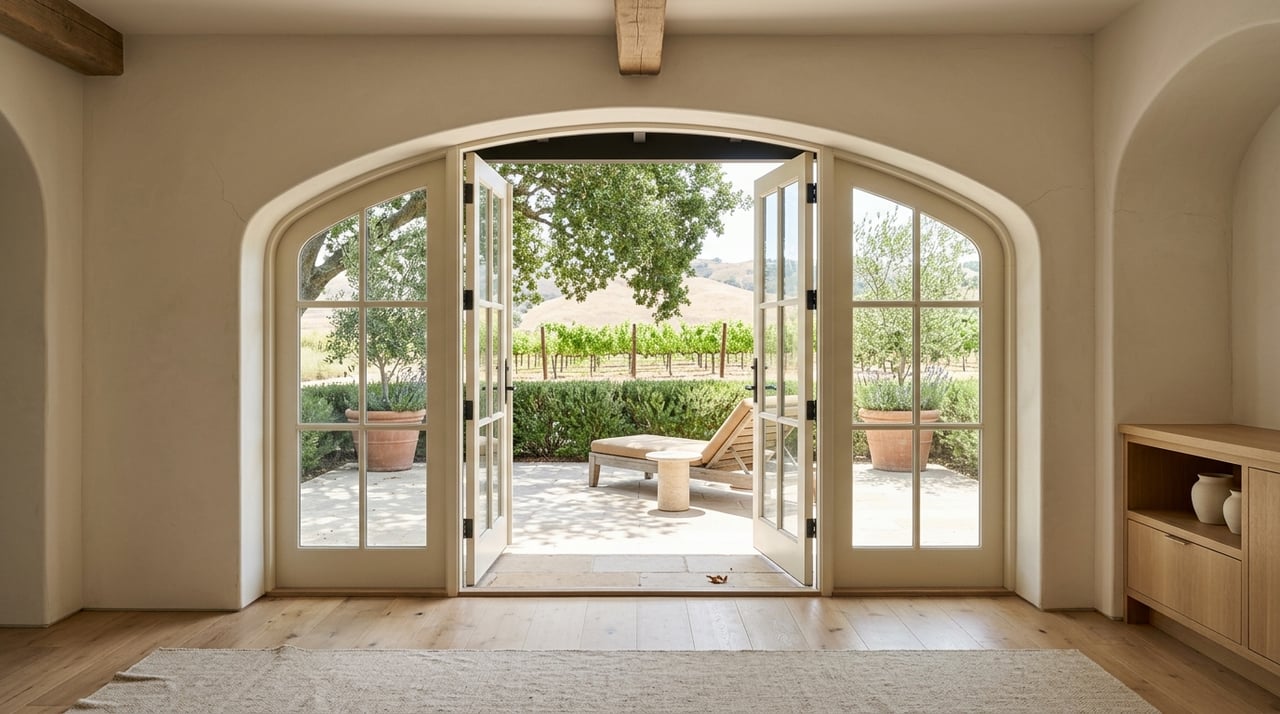
If you are drawn to wine country but want something quieter than a busy resort town, Los Olivos often stands out right away. Daily life here feels more village-like than suburban, with a compact core, a rural backdrop, and a pace that encourages you to slow down. If you are wondering what it actually feels like to live in Los Olivos day to day, this guide will help you picture the rhythm, routines, and practical realities. Let’s dive in.
Los Olivos at a glance
Los Olivos is a small census-designated place with 1,202 residents, 474 housing units, and about 2.6 square miles of land. That scale shapes almost everything about daily life. You are not moving into a sprawling town with endless retail and traffic corridors.
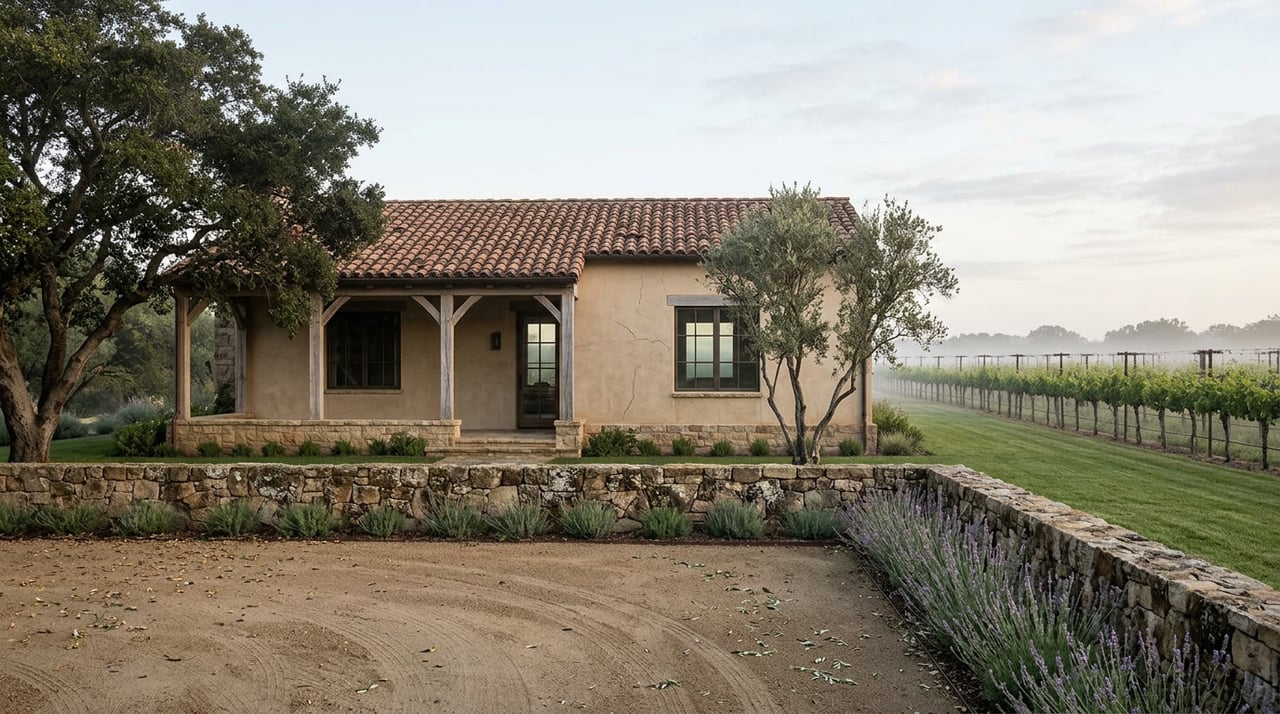
Instead, you are stepping into a compact village with a defined center and a rural edge. The surrounding Santa Ynez Valley planning area is known for its scenic pastoral character and strong agricultural tradition. In practical terms, that means vineyards, horse ranches, open land, and a setting that feels grounded in the landscape.
The pace feels slow and intentional
One of the first things many people notice about Los Olivos is the pace. It does not read like a commuter suburb or a city neighborhood built around constant motion. The village feels smaller, quieter, and more personal.
Because the commercial core is compact, many daily routines revolve around a few familiar places. You are more likely to recognize storefronts, local gathering spots, and the general rhythm of the town quickly. That small-scale pattern can feel refreshing if you value simplicity and a strong sense of place.
Daily routines center on local favorites
Los Olivos has a specialized commercial mix rather than a broad retail spread. Places like Lefty’s Coffee Co., the Los Olivos General Store, and The Other Room help define the everyday experience. Instead of chain-heavy convenience, the town leans toward a handful of well-known local stops.
That creates a lifestyle where routines feel curated rather than crowded. You might start the day with coffee in town, run a small errand, and cross paths with neighbors or regular visitors in the same few blocks. The setting encourages familiarity without feeling overly busy.
A walkable village core
The downtown area is compact enough that many destinations sit within a few blocks. Tasting rooms, dining, boutiques, galleries, and artisan-focused shops are closely grouped together. That layout supports casual movement through town and makes short outings feel easy.
This does not mean Los Olivos functions like a dense urban district. It still feels rural and low-key. But within the village center, you can enjoy a level of convenience that fits the town’s small footprint.
Coffee, conversation, and casual stops
In many towns, daily life revolves around big-box errands and long shopping runs. In Los Olivos, it tends to revolve around a smaller set of places that double as community touchpoints. A coffee stop, a quick visit to a local shop, or an evening drink can feel like part of the regular social fabric.
That rhythm often appeals to people looking for a more connected and less hurried environment. You are not chasing a long list of commercial options. You are settling into a place with a few reliable favorites.
Wine country is part of everyday life
In Los Olivos, wine country is not just branding. It is built into the place itself. The area sits within the Santa Ynez Valley AVA, and the Los Olivos District AVA adds another layer of local identity tied directly to the land.
That distinction matters because it helps explain why tasting rooms and vineyards feel like part of daily life rather than a separate attraction. In town, tasting rooms are concentrated within a few blocks, and beyond town, the broader landscape reinforces that same identity. For residents, this means wine culture is part of the backdrop on an ordinary afternoon, not only on a weekend outing.
Dining and tasting feel woven in
Los Olivos is known for award-winning wineries, dining options, boutique shopping, local artisans, and fine art galleries. Because those uses are so closely grouped in the center, they become part of the town’s visual and social rhythm. You are living in a place where a simple walk through town naturally passes tasting rooms, storefronts, and places to gather.
For some buyers, that is a major draw. The atmosphere feels polished but relaxed, and the village supports an easy transition between quiet residential life and casual outings close to home.
The setting is rural, scenic, and open
A big part of life in Los Olivos happens outside the village core. Santa Barbara County describes the wider Santa Ynez Valley area as pastoral and agriculturally rooted, and that reads clearly on the ground. Views of vineyards and horse ranches are a real part of the setting.
This is one reason Los Olivos often appeals to buyers who want privacy, open space, and a stronger connection to the land. Even when you are close to town, the surrounding area reinforces a sense of calm and distance from busier patterns of development.
Outdoor movement feels natural here
The official town information notes that residents and visitors can rent bicycles and explore the area at their own pace. That detail says a lot about how Los Olivos feels. Movement here tends to be slower, more scenic, and less structured around congestion.
Whether you are heading into town, taking in the countryside, or simply enjoying the visual openness, the lifestyle has an outdoor component that feels natural rather than forced. It is a setting that invites you to be aware of the landscape.
Practical life depends on the valley, too
Part of understanding Los Olivos is recognizing both its appeal and its tradeoffs. The village itself is compact, which means some day-to-day needs are handled in town, while others rely on the broader Santa Ynez Valley. That is an important part of the lived experience.
For many homeowners, this arrangement feels like the right balance. You get the quiet and charm of a small village, while nearby communities help support the larger services you may need regularly.
Transportation is local, not urban
Santa Ynez Valley Transit connects Los Olivos with Solvang, Buellton, and Santa Ynez on fixed routes. It also offers Dial-A-Ride service for seniors and ADA-certified riders. That provides useful local mobility, but it is not the same as living in a city with extensive public transit.
In other words, Los Olivos is valley-based in how it functions. Some trips are simple and local, while others involve moving through the surrounding towns for appointments, shopping, or services.
Schools and civic life are small-scale
Los Olivos School District is based in town on Alamo Pintado Avenue. For grades 9 through 12, the Santa Ynez Valley Union High School District serves about 800 students and offers AP classes, career technical education pathways, arts and media electives, Ag/FFA, dual enrollment, athletics, and special education.
The key takeaway is scale. School life here tends to feel community-based rather than part of a very large district structure. For buyers considering a move, that small-district environment is often part of the town’s overall character.
Larger services are nearby
Although Los Olivos feels tucked away, it is not isolated from the valley’s shared infrastructure. The valley includes medical clinics, a library, senior-center resources, and Santa Ynez Valley Cottage Hospital in Solvang. That means larger civic and medical services are nearby, even if they are not all located in town.
This balance is central to life in Los Olivos. You enjoy a village atmosphere at home, while relying on nearby towns for some of the broader practical framework.
How Los Olivos feels compared with nearby towns
Los Olivos is often best understood in context. Nearby towns offer different scales and rhythms, and those differences help clarify what makes this village distinctive.
Compared with Solvang
Solvang had 6,126 residents in the 2020 Census, which makes it notably larger than Los Olivos. Its public identity emphasizes boutiques, restaurants, bakeries, and self-guided wine tasting. Compared with that environment, Los Olivos tends to feel smaller, quieter, and more village-like.
That does not mean one is better than the other. It means the daily atmosphere is different. Los Olivos often suits people who want a more tucked-in feel with tasting rooms, galleries, and rural scenery closely tied together.
Compared with Buellton
Buellton, with an estimated population of 4,552, is positioned on US 101 and is described as the gateway to the Santa Ynez Valley. Relative to Buellton, Los Olivos feels less connected to freeway movement and more rooted in the pastoral interior of the valley.
For many buyers, that distinction matters. If you want a setting that feels more removed from through-traffic and more anchored in countryside character, Los Olivos offers a very different everyday experience.
Who tends to love living here
Los Olivos often resonates with people who value a compact village lifestyle paired with rural privacy. Some are looking for a primary home that feels slower and more grounded. Others are looking for a second home where the setting itself becomes part of how they recharge and entertain.
The strongest appeal is usually the combination of features rather than any single amenity. You have a walkable core, recognizable local gathering spots, wine-country identity, and open agricultural surroundings, all within a small footprint. That mix is distinctive in the Santa Ynez Valley.
The lifestyle in one sentence
If you want the shortest possible summary, Los Olivos feels like a compact wine village wrapped in rural landscape. Your day-to-day life can include coffee, casual walks through town, nearby tasting rooms and dining, and a strong sense of quiet once you step beyond the center.
That combination is both the appeal and the practical tradeoff. You gain charm, scenery, and a more intentional pace, while depending on the surrounding valley for some larger services and errands. For the right buyer, that is exactly what makes Los Olivos special.
If you are considering a home, estate, vineyard property, or rural retreat in Los Olivos or the Santa Ynez Valley, Central Coast Landmark Properties , Inc. offers discreet, locally informed guidance tailored to this unique market.
FAQs
What does day-to-day living in Los Olivos feel like?
- Daily life in Los Olivos feels quiet, village-like, and closely tied to local coffee spots, small retail, tasting rooms, dining, and the surrounding rural landscape.
How big is Los Olivos, California?
- Los Olivos has 1,202 residents, 474 housing units, and about 2.6 square miles of land, which gives it a distinctly small-scale feel.
Is Los Olivos more rural or suburban?
- Los Olivos feels more rural than suburban, with a compact town center and a broader setting shaped by vineyards, horse ranches, and agricultural land.
Are services and errands available in Los Olivos?
- Some daily needs can be handled in town, but many larger services, medical resources, and errands depend on nearby Santa Ynez Valley communities such as Solvang, Buellton, and Santa Ynez.
How does Los Olivos compare with Solvang and Buellton?
- Compared with Solvang and Buellton, Los Olivos generally feels smaller, less freeway-oriented, more tucked into the valley, and more centered on a compact wine-village atmosphere.
Is Los Olivos a walkable town?
- The village core is compact, with tasting rooms, dining, boutiques, and galleries grouped within a few blocks, which supports easy walking around downtown areas.