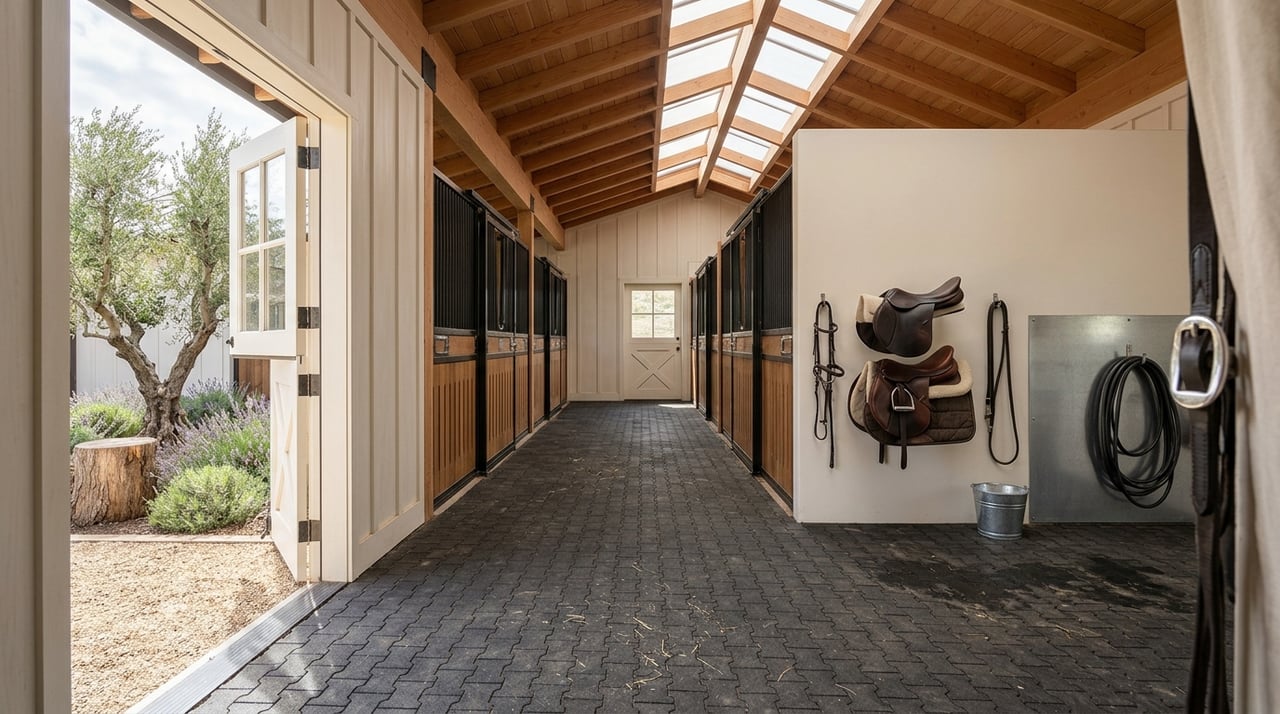
If you picture Santa Ynez as just a pretty wine-country backdrop, you are only seeing part of the story. For many residents, horses are part of daily life here, shaped by rural land use, trail access, training options, and a community that supports everything from dressage to team sorting. If you are exploring the area as a buyer, seller, or simply curious about the lifestyle, this guide will help you understand what makes Santa Ynez equestrian living feel so established and connected. Let’s dive in.
Why equestrian life fits Santa Ynez
Santa Ynez’s horse culture is closely tied to the area’s rural identity. Santa Barbara County’s community planning framework describes the Santa Ynez Valley as a place with scenic pastoral character and a strong agricultural tradition, including Santa Ynez, Ballard, Los Olivos, and surrounding rural lands.
That matters when you are thinking about real estate. In Santa Ynez, equestrian living is not a lifestyle layered onto dense suburban development. It is part of how the valley functions, how land is used, and how many properties are designed and valued.
Riding styles you will find here
One of the strongest signs of a mature horse community is range. In Santa Ynez, you are not limited to one discipline or one type of facility.
English and sport-horse options
English riding and sport-horse training are well represented across the valley. Hartenburg Equestrian offers coaching, training, and sales in eventing, jumpers, and dressage on a 15-acre property with a 24-stall barn, arenas, turnout paddocks, pastures, and bridle paths.
Santa Ynez Riding School, now at Bella Cavalli Farm and Vineyard, offers English and dressage lessons, full-service training, boarding, and horse sales. The California Horse Center also highlights amenities that appeal to active riders, including pastures, a covered arena, a EuroXciser, and dedicated farrier and bodywork space.
Western and working-horse culture
Western disciplines also have a visible place in the local scene. The Santa Ynez Valley Penning Association has more than 150 members and runs team penning and team sorting across spring, summer, and fall.
The Santa Ynez Valley Equestrian Association describes its center as a multi-use equine facility that supports therapeutic riding and the Sheriff’s Posse. Its event mix has included team sorting, dressage schooling shows, 4H events, and cutting clinics and competitions, which speaks to the valley’s broad equestrian base.
A strong community for all ages
In Santa Ynez, horse life often extends beyond private barns. The local network includes youth programs, therapeutic riding, and organized clubs that help keep the equestrian community active and connected.
Youth programs and skill building
The Santa Ynez Valley Pony Club has served riders since 1976 and includes members ages 6 to 24, plus a Masters class. The club introduces riders to dressage, cross-country, show jumping, and eventing through regular meetings that combine mounted lessons with horse-management instruction.
That detail is important because it reflects the area’s emphasis on practical horsemanship. Safety checks, tack care, grooming, and horse care are part of the culture, not afterthoughts.
Therapeutic riding and service
The Santa Ynez Valley Therapeutic Riding Program has been based at the Santa Ynez Valley Equestrian Association Center since 2000. It is a PATH Intl. Premier Accredited Center and serves almost 70 students weekly and 300 unduplicated people annually.
This kind of program adds depth to the local equestrian identity. It shows that the horse community here supports recreation, competition, and service in meaningful ways.
Trails shape everyday riding
For many horse owners, arena access is only part of the picture. Trail riding is a major part of life in and around Santa Ynez, and the surrounding public lands give riders access to a very different kind of experience.
Los Padres recreation access
The Santa Barbara Ranger District offers opportunities for horseback riding and horse camping, along with day hiking, fishing, and other outdoor recreation. The Lower Santa Ynez Recreation Area also has a day-use trailhead parking fee of $10.
For riders, this means the equestrian lifestyle in Santa Ynez can include both structured training and backcountry access. Your routine may shift with weather, footing, and season, but the options are there.
Horse-friendly backcountry entry points
The horse riding and camping information from Los Padres National Forest highlights useful access points like Upper Oso and Sage Hill. Upper Oso includes 14 pipe corrals, piped water, flush toilets, and large parking areas for horse trailers.
Sage Hill offers pipe corrals, a hitching post, horse-trailer parking, and direct access to the Santa Ynez River and Aliso Trail. These features may sound simple, but they make a real difference when you are planning a full day out with horses.
Local riders know the terrain
The Santa Ynez Valley Riders group reinforces how practical trail riding is here. Its trail-rating guide considers topography, steepness, soil type, trail type, and water encountered.
That tells you something important about the local lifestyle. Riding in Santa Ynez is scenic, but it is also terrain-aware, seasonal, and shaped by real land conditions.
What horse properties prioritize
If you are looking at equestrian real estate in Santa Ynez, you will notice that the most useful property features are often highly practical. The house matters, of course, but horse flow and daily function are often just as important.
Utility often leads the wish list
Examples from local facilities show what many buyers focus on. Hartenburg Equestrian includes matted stalls, heated wash racks, cross-tie space, tack storage, arenas, a round pen, paddocks, pastures, and bridle paths.
Bella Cavalli’s setup includes pasturing, a mare motel, show barn, quarantine options, three arenas, a half-mile conditioning track, round pens, hot wash, and daily turnout. California Horse Center also highlights practical support spaces such as farrier and bodywork areas, which points to a management-first approach.
Daily life is built around care
Horse ownership here usually involves more than enjoying views from the porch. The Pony Club’s meeting expectations emphasize helmets, clean tack, grooming, safety checks, and care before and after riding.
For a buyer, that serves as a useful reminder. A horse property works best when it supports the daily rhythm of feeding, turnout, storage, trailer movement, maintenance, and safe handling.
Due diligence matters on horse property
Because Santa Ynez sits within an area defined by rural and agricultural land use, property evaluation deserves careful attention. Not every parcel will support the same goals, even if the setting looks ideal.
Here are some of the practical questions buyers often need to think through:
- How many horses can the parcel realistically support?
- Is there enough turnout space for your intended use?
- How easy is trailer access in and out of the property?
- What is the water situation for horses and grounds?
- Does the fencing match your management needs?
- Will you want self-care, partial support, or full-service boarding and training nearby?
These questions can affect both lifestyle and long-term property performance. In Santa Ynez, understanding land, infrastructure, and intended use is essential.
Support services add confidence
Another reason the Santa Ynez equestrian lifestyle feels so established is the local support network. That network helps owners manage both routine care and unexpected issues.
Alamo Pintado Equine Medical Center’s field practice team serves farms and ranches throughout the Santa Ynez Valley. Its services include routine and emergency care such as vaccinations, lameness evaluations, breeding exams, emergency colics, and routine health checks.
For buyers considering a move into horse ownership, or for experienced owners relocating to the area, that kind of veterinary access matters. It supports the valley’s ability to accommodate hobby barns, active riding households, and more involved equine programs.
What the lifestyle really feels like
At its core, the Santa Ynez equestrian lifestyle is not just about owning land with a barn. It is about living in a place where horses are woven into daily routines, local facilities, public-land access, and a long-standing rural identity.
That is part of what makes Santa Ynez distinctive. You are not simply buying scenery. You are stepping into a community where land use, horsemanship, and property function are closely connected.
If you are considering an equestrian property, ranch, or rural estate in the valley, working with a team that understands the local nuances can make the process far more informed. To discuss Santa Ynez horse properties and rural real estate with discretion and local insight, connect with Central Coast Landmark Properties , Inc..
FAQs
What makes Santa Ynez different for equestrian living?
- Santa Ynez combines rural land use, established horse facilities, trail access, and a broad support network, which makes horse ownership feel integrated into daily life rather than separate from it.
What riding disciplines are common in Santa Ynez?
- The area supports English disciplines like dressage, jumpers, and eventing, as well as Western activities such as team penning, team sorting, and cutting.
What should you look for in a Santa Ynez horse property?
- Key features often include turnout space, arenas or ride areas, barns, wash racks, tack storage, trailer access, water availability, fencing, and a layout that supports safe daily horse care.
Where can you trail ride with horses near Santa Ynez?
- Riders use parts of Los Padres National Forest and access points such as Upper Oso and Sage Hill, where horse-friendly amenities include corrals, trailer parking, and access to established trails.
What support services are available for horse owners in Santa Ynez?
- The area includes boarding and training facilities, youth and therapeutic riding programs, equestrian associations, and veterinary field services that support both routine and emergency horse care.